
Industry-leading Modular NVH Technology
About VIBES.technology
VIBES.technology develops software for noise, vibration and harshness (NVH) engineering. Our mission is to move towards a quieter, more comfortable and more sustainable world, by reinventing noise and vibration engineering. To achieve engineering excellence, we keep close ties with our customers to create the right solutions to solve real NVH challenges.

VIBES Solutions
At VIBES, solutions are built to address specific engineering challenges in sound and vibration. Each solution is designed to support engineers in obtaining reliable, high-quality data early in development. By aligning with real engineering processes, our solutions help teams work more efficiently and solve the right problems with confidence.
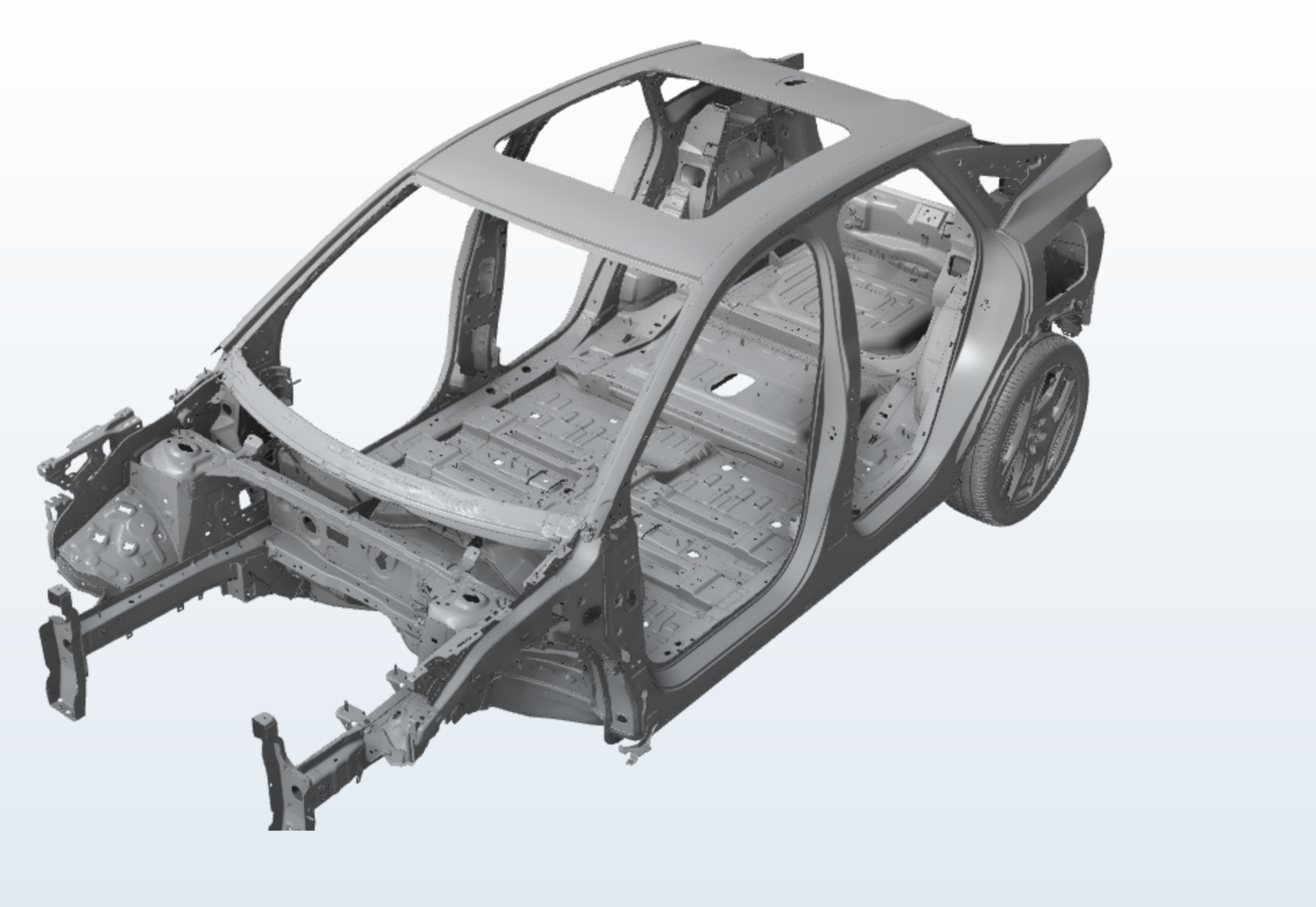
Hybrid Modular Engineering
Combining experimental and numerical data into one accurate assembly model
Couple test-based and CAE component models into a full-system model at any stage of product development.
DIRAC ● SOURCE ● COUPLE
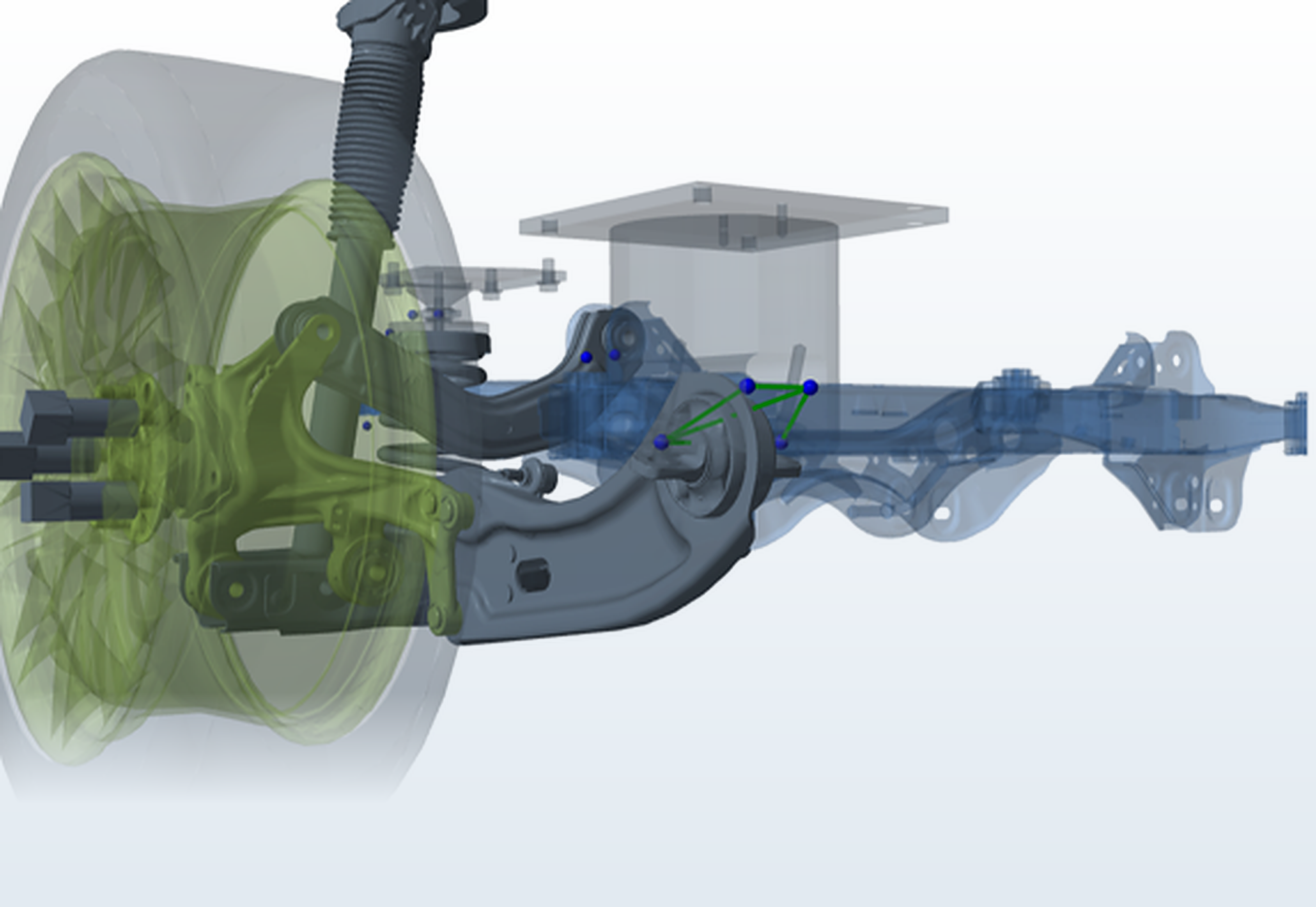
Transfer Path Analysis
Identify and predict dominant paths
Evaluate how much each source and path contributes to the noise and vibration at the receiver, and predict the effect of changes.
DIRAC ● SOURCE
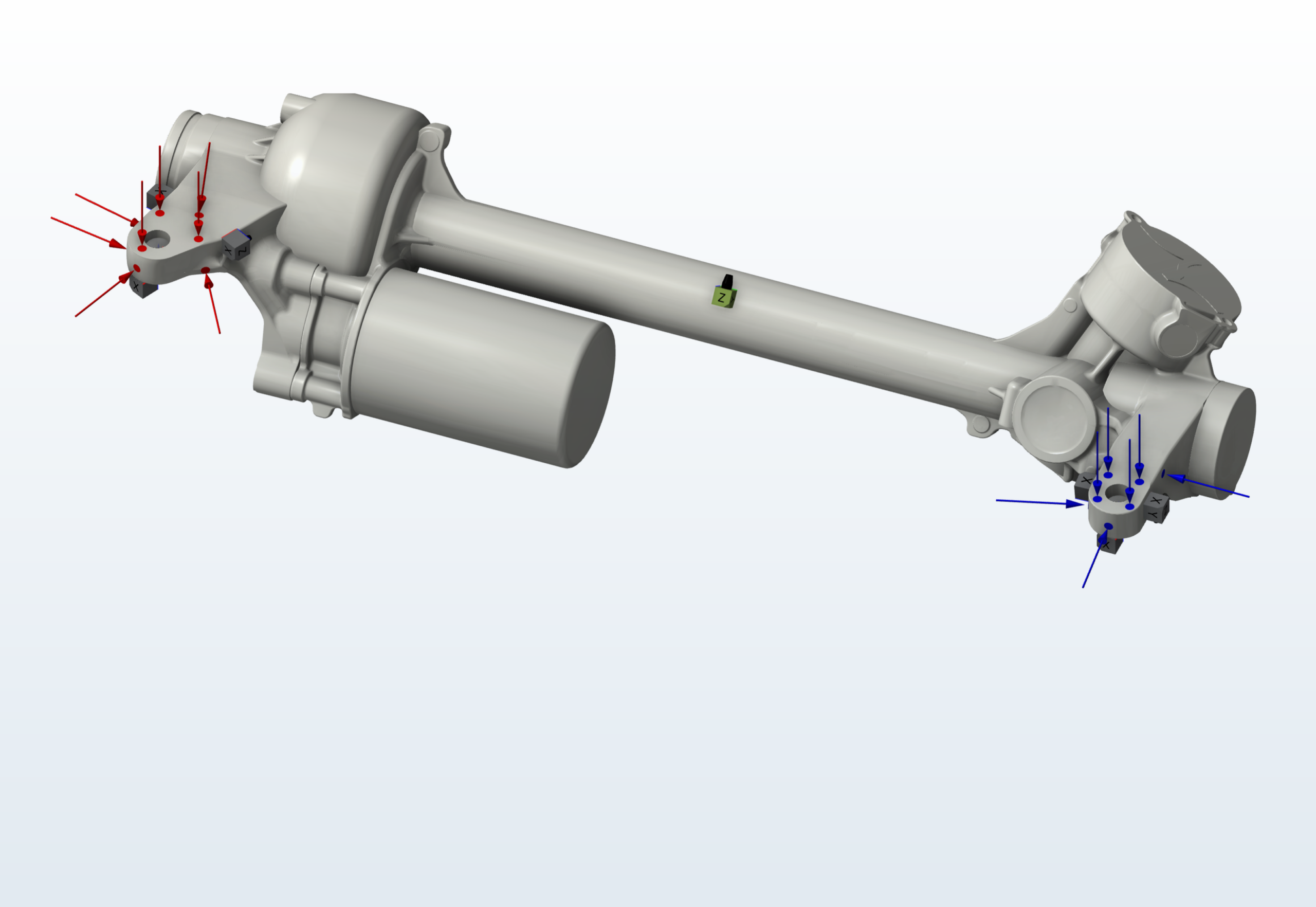
Source Characterization
Describe the source once, reuse forever
Characterize active vibration sources with blocked forces, independent of the receiving structure, for simulation and benchmarking.
DIRAC ● SOURCE
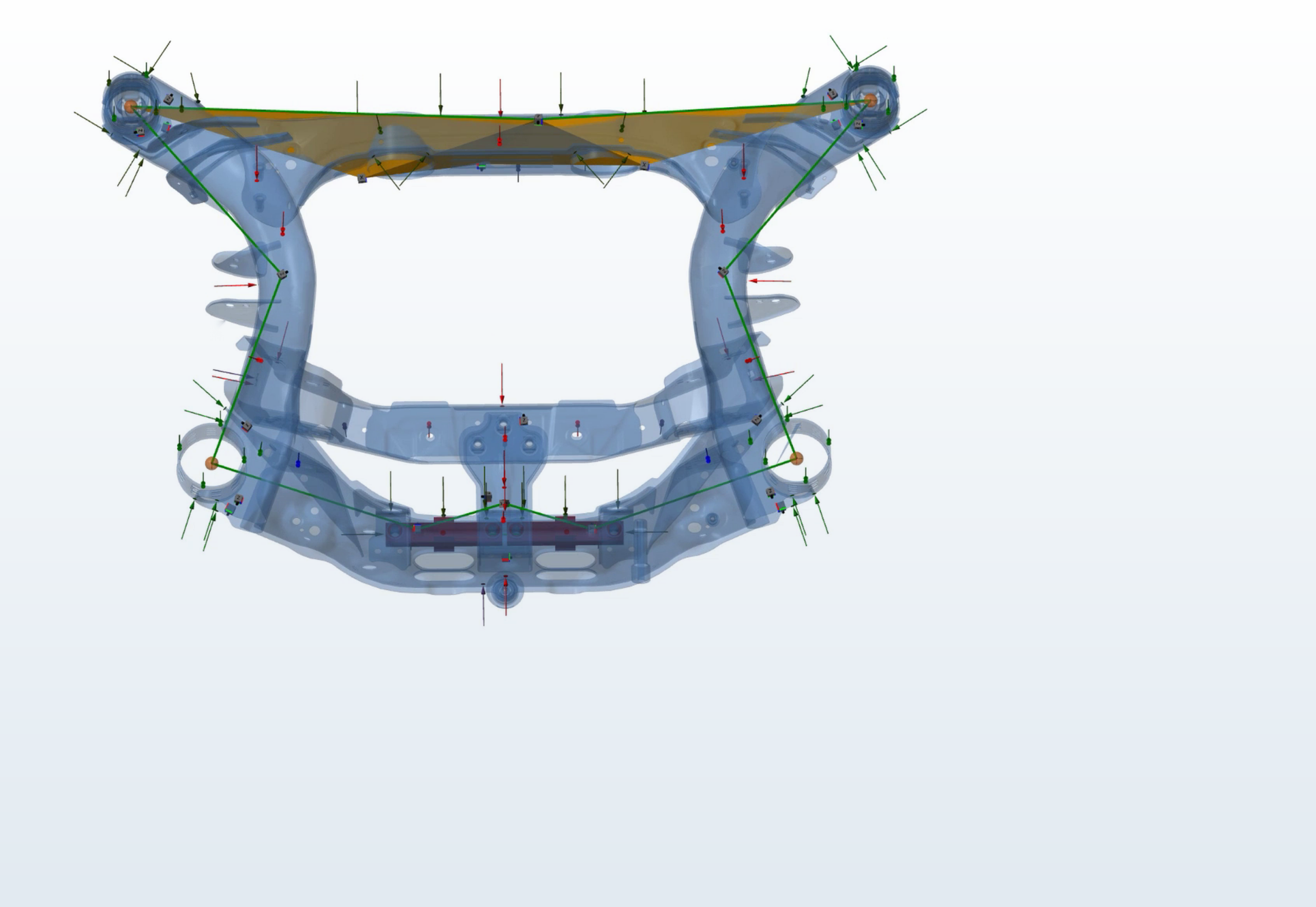
Test-based Modeling
Accurate & complete component models
Model the frequency response of passive components from test data, ready to use in assemblies and further analyses.
DIRAC ● COUPLE
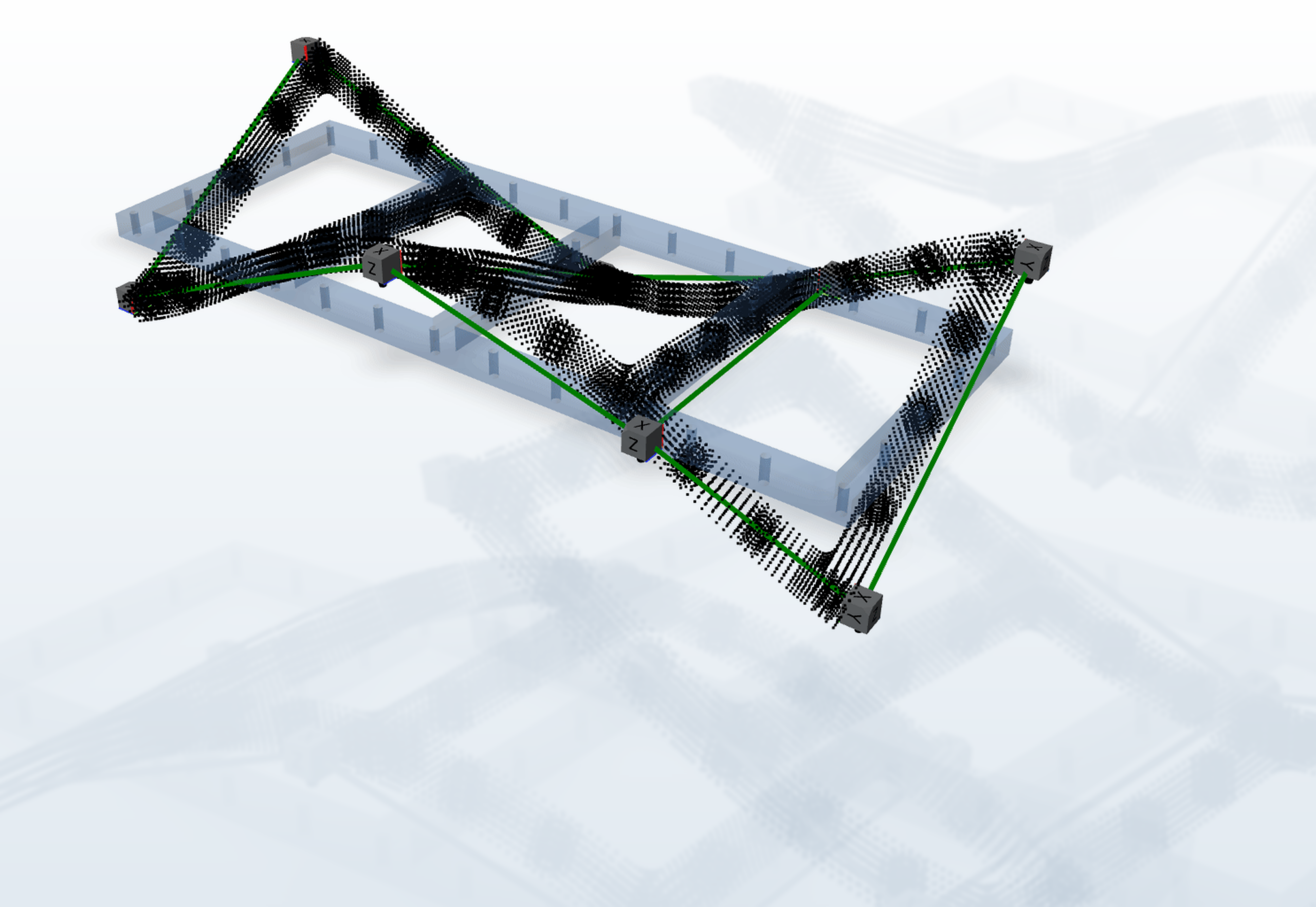
Modal Analysis
Study and validate structures
Extract natural frequencies, damping and mode shapes from measured FRFs, and compare them directly with your FE model.
DIRAC
Not sure which solution fits your problem?
Tell us about your question or NVH issues, and we will send you a customized roadmap.
Learn how our customers use VIBES Solutions
Curious to understand how you can benefit from VIBES products and solutions? Learn from our case studies below!
Case study
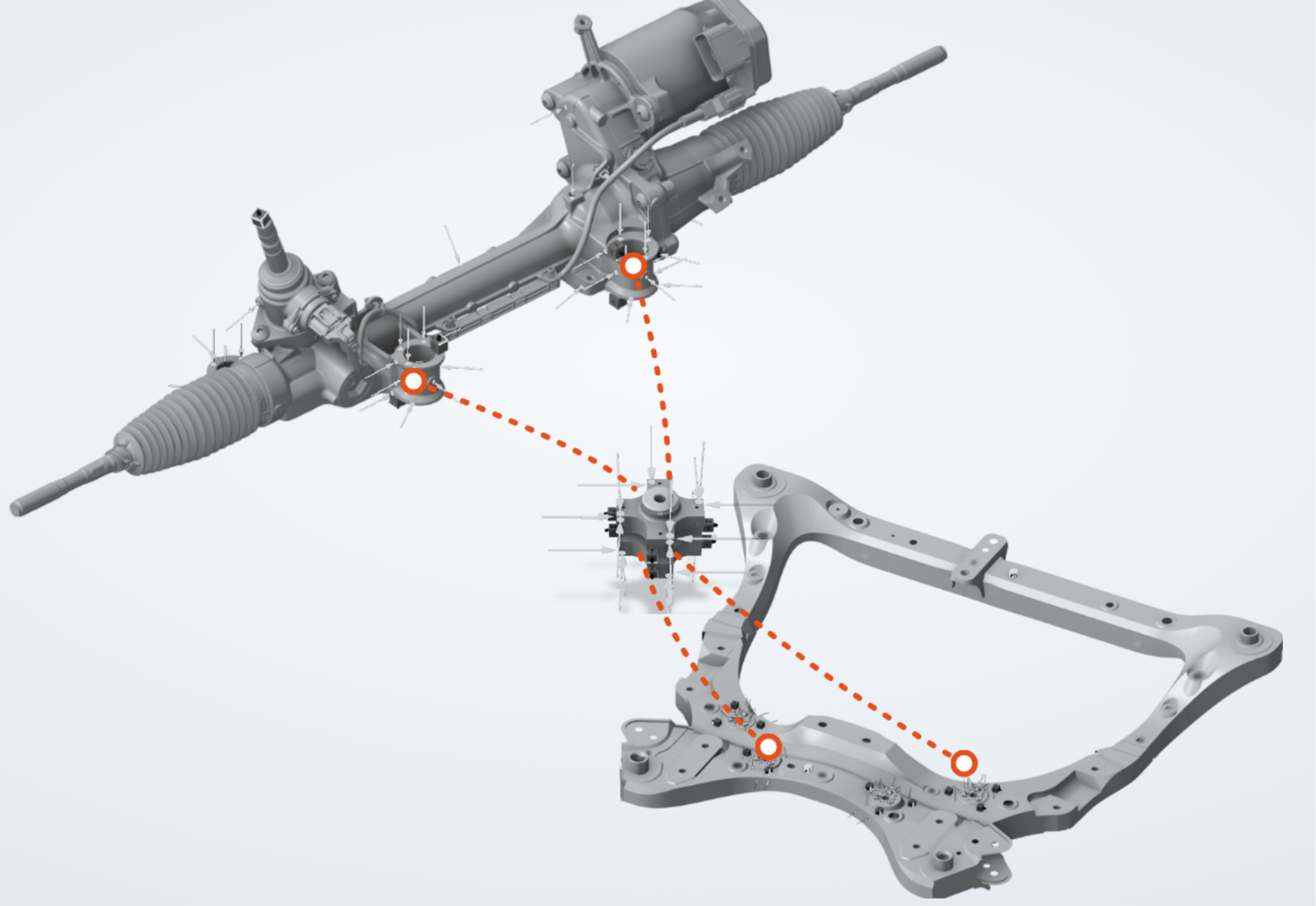
EPS noise transmission from separately measured components
Toyota · Automotive OEM · Steering NVH
Toyota measured an Electric Power Steering (EPS) gear, its rubber mounts and the subframe separately, then coupled them in software. The virtual assembly matched the physical one up to 1 kHz and showed which mount changes reduce vibration.
DIRAC ● SOURCE ● COUPLE
Case study
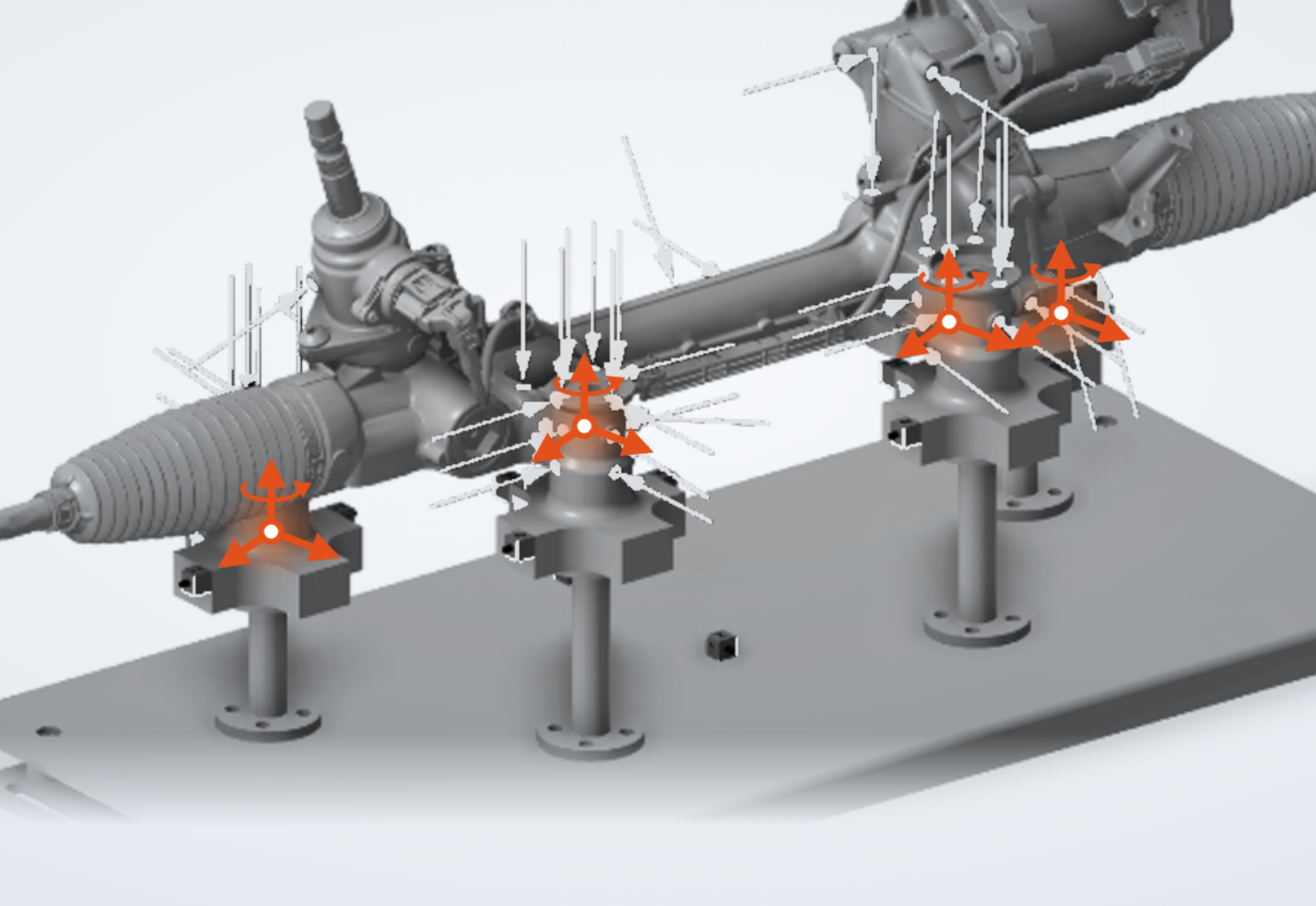
EPS source characterization on a test bench
Toyota · Automotive OEM · Steering NVH
Toyota identified blocked forces at all four mounts of an Electric Power Steering (EPS) gear on a test bench. After validation on the bench, the same forces were reused in a virtual vehicle assembly without measuring the EPS again.
DIRAC ● SOURCE ● COUPLE
Case study
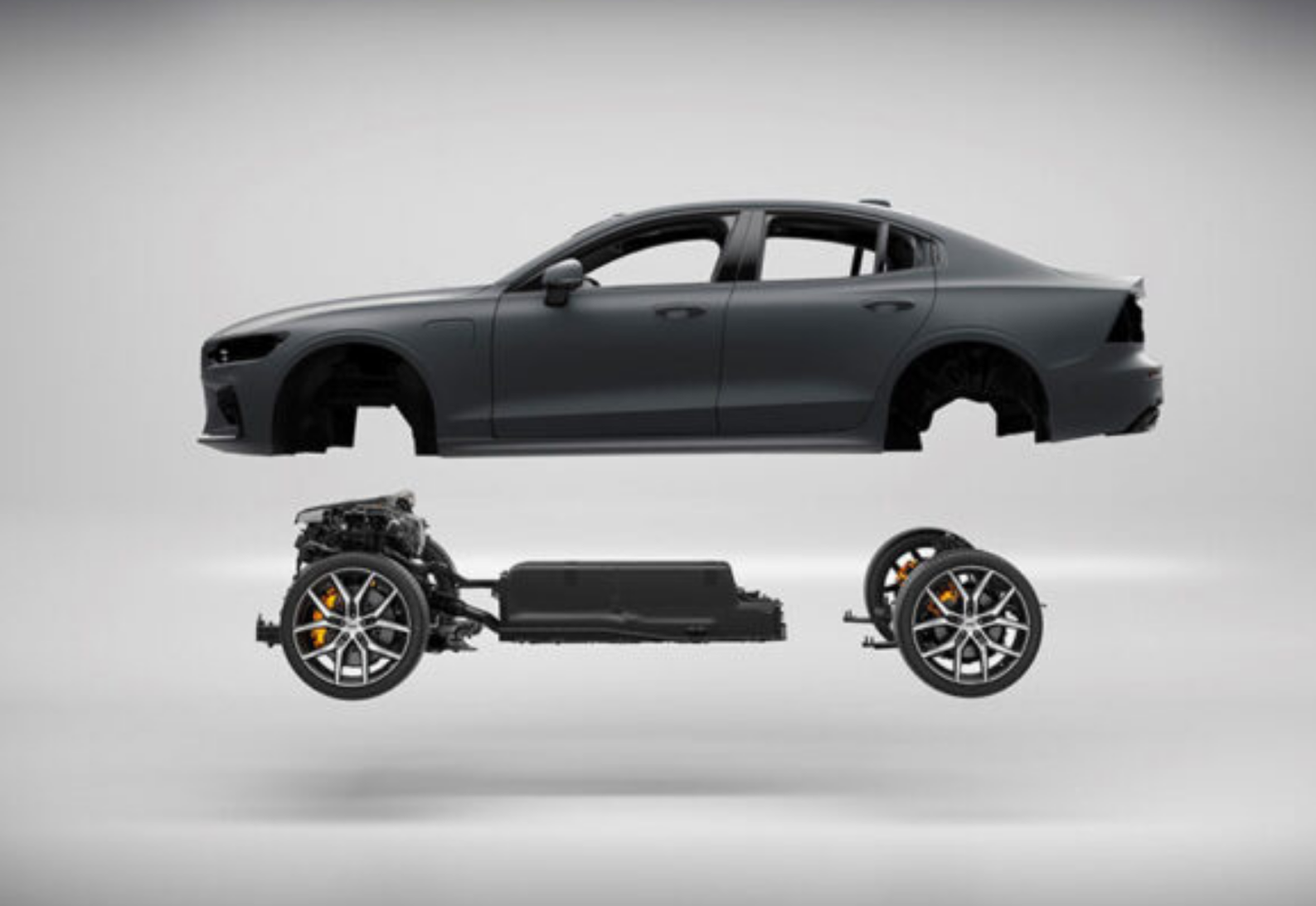
Volvo Cars gets the same e-compressor Blocked Forces, mounted and freely suspended
Volvo Cars · Automotive OEM · Auxiliary component NVH
Volvo Cars characterized an electric refrigerant compressor twice: mounted in the vehicle, and hanging free from rubber ropes. Both tests gave the same blocked forces and the same cabin prediction, so the compressor can be tested whichever way is easier.
DIRAC ● SOURCE
Case study
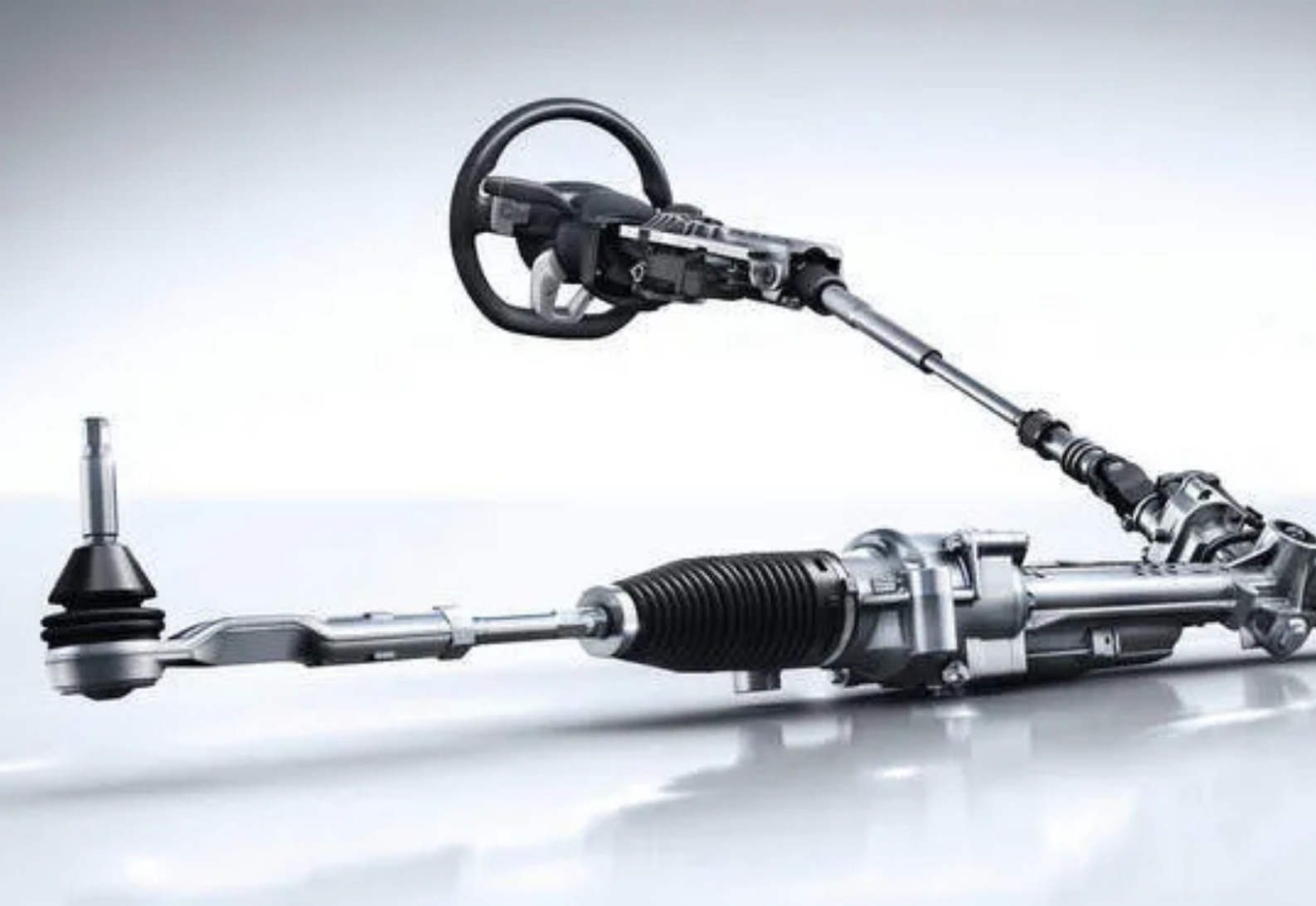
Tuned absorbers for a rigidly mounted EPS
German automotive client · Steering NVH
A rigidly mounted Electric Power Steering (EPS) unit caused a 640 Hz tone in the cabin. Using in-situ blocked forces and a virtual vehicle model, the team tested absorbers from 50 to 250 g in software. A 0.1 kg absorber lowered the tone by about 4 dB.
DIRAC ● SOURCE ● COUPLE
Case study
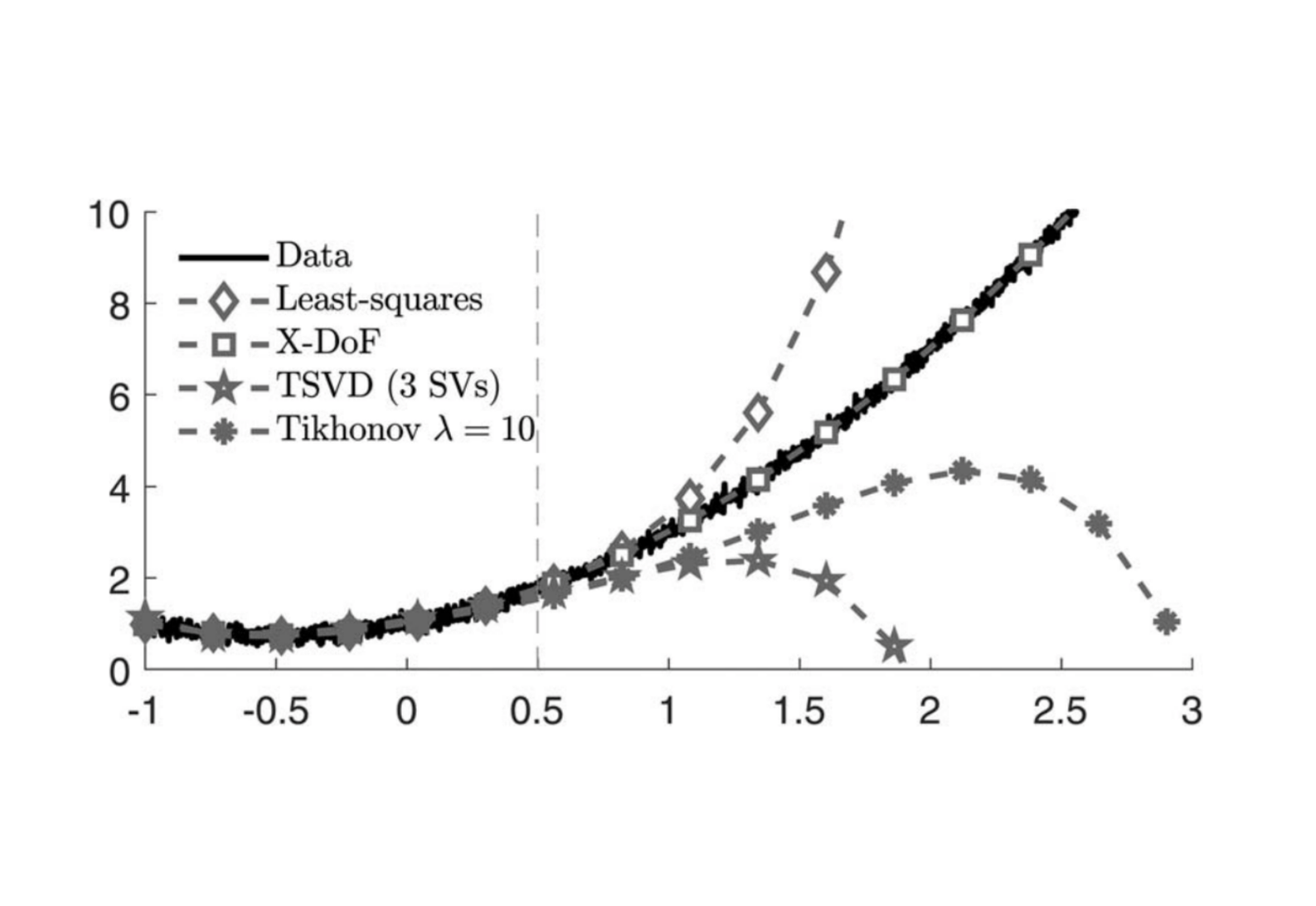
Why matrix regularization fails for in-situ blocked forces
Indian automotive OEM · Full-vehicle study · Structure-borne road noise
Blocked forces were identified at all four wheel hubs at once, with a known hammer hit as the load case. Plain matrix inversion found forces on a wheel that was never hit. X-DoF found none there and reconstructed the hammer force on the wheel that was.
SOURCE
Success story
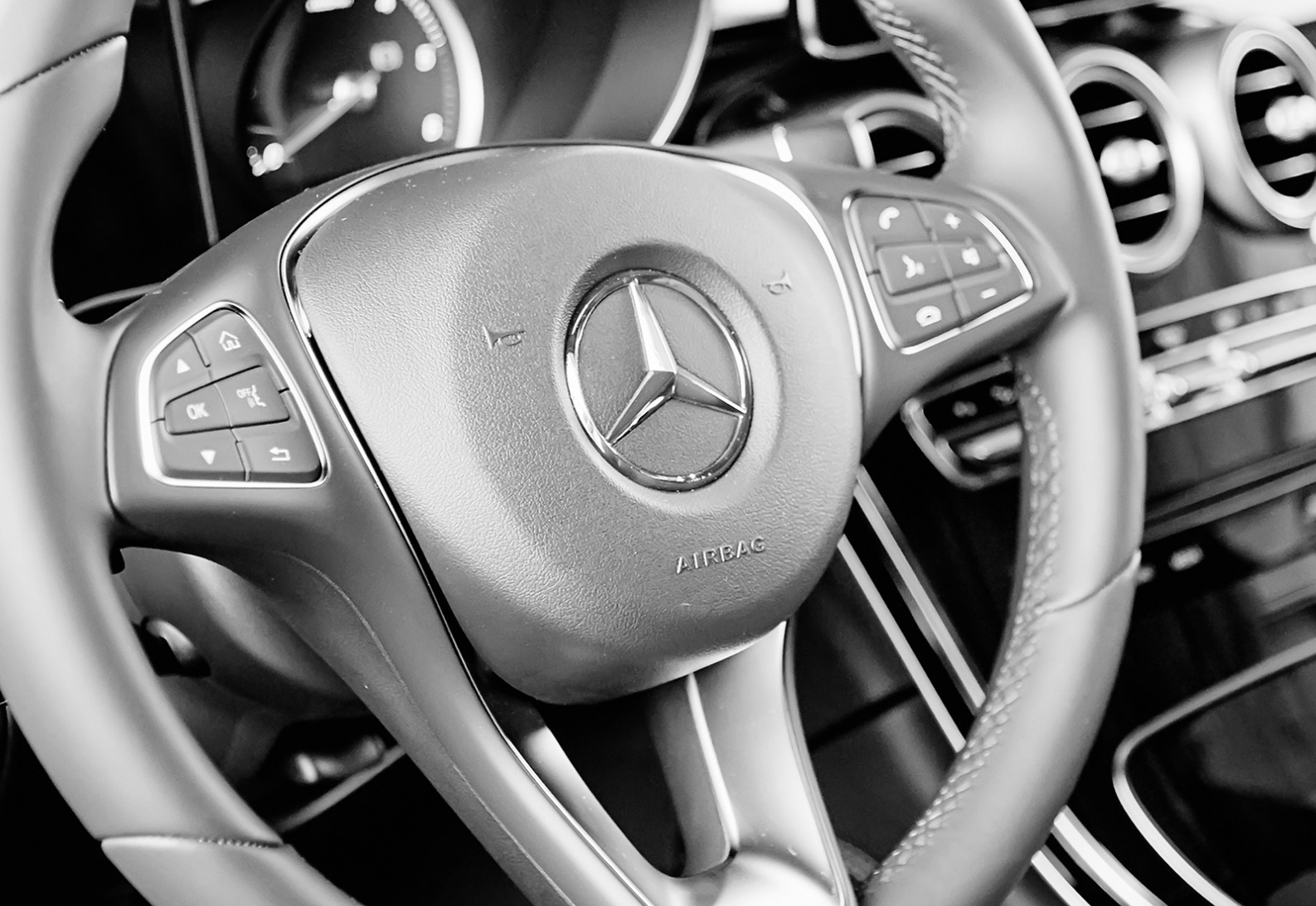
Using VIBES solutions, Mercedes-Benz and Magna Powertrain align on NVH testing
Mercedes-Benz · Magna Powertrain · Electric vehicle NVH
Mercedes-Benz and Magna Powertrain introduced a shared method for characterizing airborne sound sources, using VIBES software and an artificial engine on their own test benches. Both companies exchange consistent data, and powertrain components are checked against NVH targets before they go into the vehicle.
DIRAC ● SOURCE ● COUPLE