
Engineering Good Vibrations
Advanced solutions developed to meet the evolving challenges in sound and vibration. They enable teams to build accurate predictive models early in the development process, ensuring the best product design at minimal product cost. By integrating measurement and simulation, the solutions build Hybrid Modular Models that support informed engineering decisions throughout the development process.
- Bullet point A
- Bullet point B
- Bullet point C
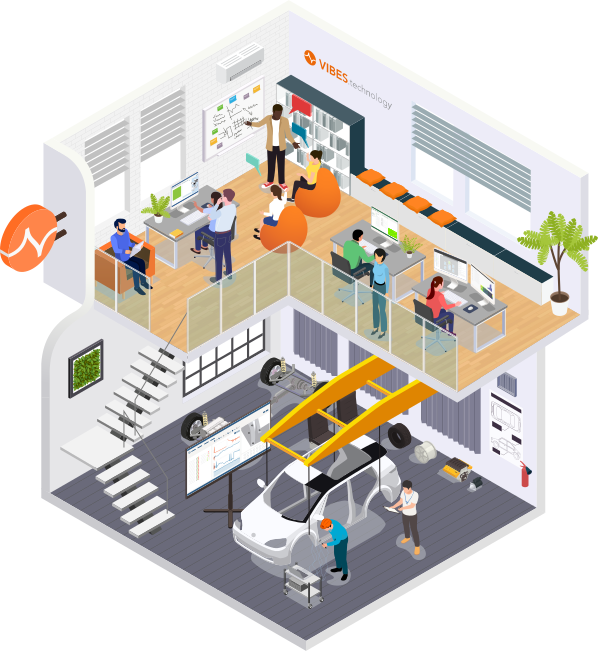
Where Accuracy Meets Innovation
Leading companies rely on VIBES.Technology solutions to validate designs and optimize (NVH) product development processes. With proven accuracy and measurable impact, VIBES software and services help you achieve results you can trust.
months reduction of design time
Enable early and accurate full virtual prototypes for improved concept studies and risk assessment, feeding into hybrid NVH simulations.
higher accuracy of simulations
Enable a more reliable and efficient approach to model internal forces of active components. Derived from component test benches, loads feed into simulation at interface levels, improving the accuracy of NVH simulations.
fewer pre-production resources needed
Significantly reduce the required number of measurements within development departments done today, by enabling reuse of test-based models across variants, operating conditions, and design concepts
Solutions
VIBES.technology provides advanced software solutions supporting OEMs and suppliers in effectively designing their products for attributes such as Noise & Vibration, Ride & Handling, durability, and weight. Customers receive support in implementing innovative data-driven solutions in their development processes, along with service and training to ensure effective use of these solutions. Upon special request, VIBES.technology deploys its solutions for advanced research topics in collaboration with customers’ R&D departments.
Hybrid Modular Modelling
Combining experimental and numerical data to analyze complex structures to obtain the most accurate assembly model in any stage of the product development.
Transfer Path Analysis (TPA)
Various techniques to identify and evaluate the contribution of vibration sources in an assembly.
Source Descriptions
Create receiver independent descriptions of your active vibration source both structure- and airborne. For use in simulation or benchmarking.
Modal Analysis
Structural analysis of components and systems using modal behavior.
Test-based Modelling
Modelling of frequency response behaviour of passive components or systems using test-data for use in subsequent analyses.
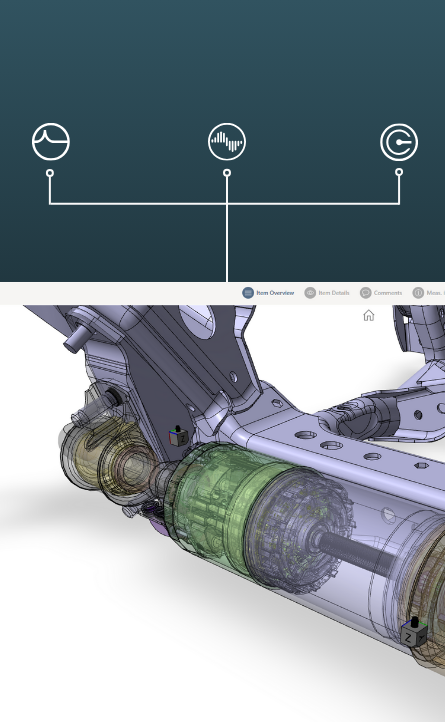
Products
Achieving reliable, traceable, and efficient sound and vibration results starts with the right tools. Together, DIRAC, SOURCE, and COUPLE form a connected workflow that transforms how products are developed and refined, from the first measurements to full-assembly models.
This integrated approach shortens development cycles, minimizes prototype iterations, and delivers reliable full-product models much earlier in the process, empowering teams to design with clarity, confidence, and efficiency.
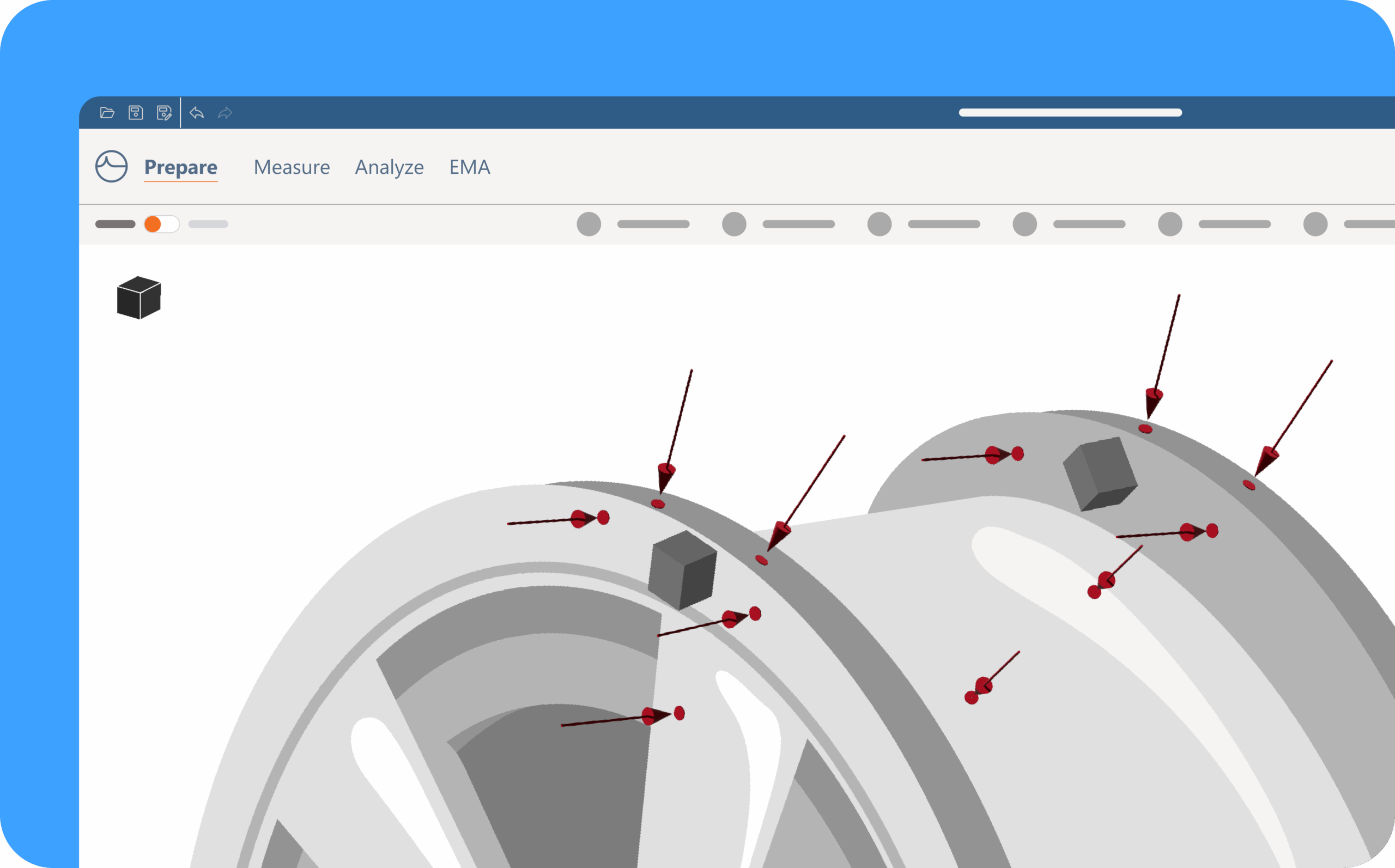
Software for Test-based Sound & Vibration Measuring
DIRAC completely changes the way you measure and model sound and vibrations. It enables making reliable full product models earlier in the development process. It indicates measurement quality and ensures traceability of results. It helps to avoid final-phase troubleshooting and postponed production, and reduces the number of prototypes and pre-production resources needed.
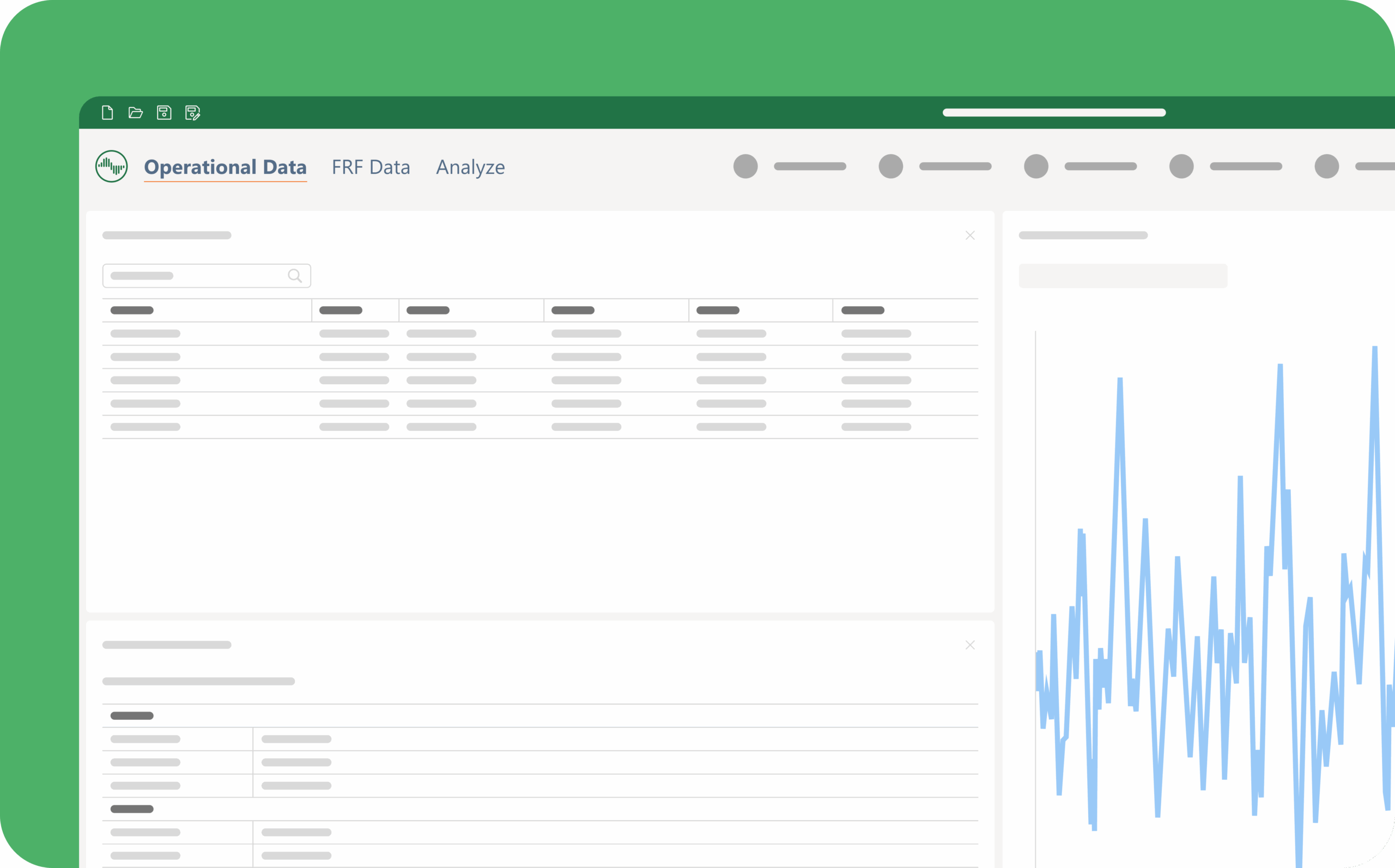
Software for Characterization of Active Sources
SOURCE enables high-quality and traceable characterization of vibration sources, through their unique dynamic loads (typically Blocked Forces). Also, it enables best-in-class Component Transfer Path Analysis, using and re-using the identified dynamic loads, by applying them on hybrid modular models. It provides a clear and robust workflow, with quality checks at every step.
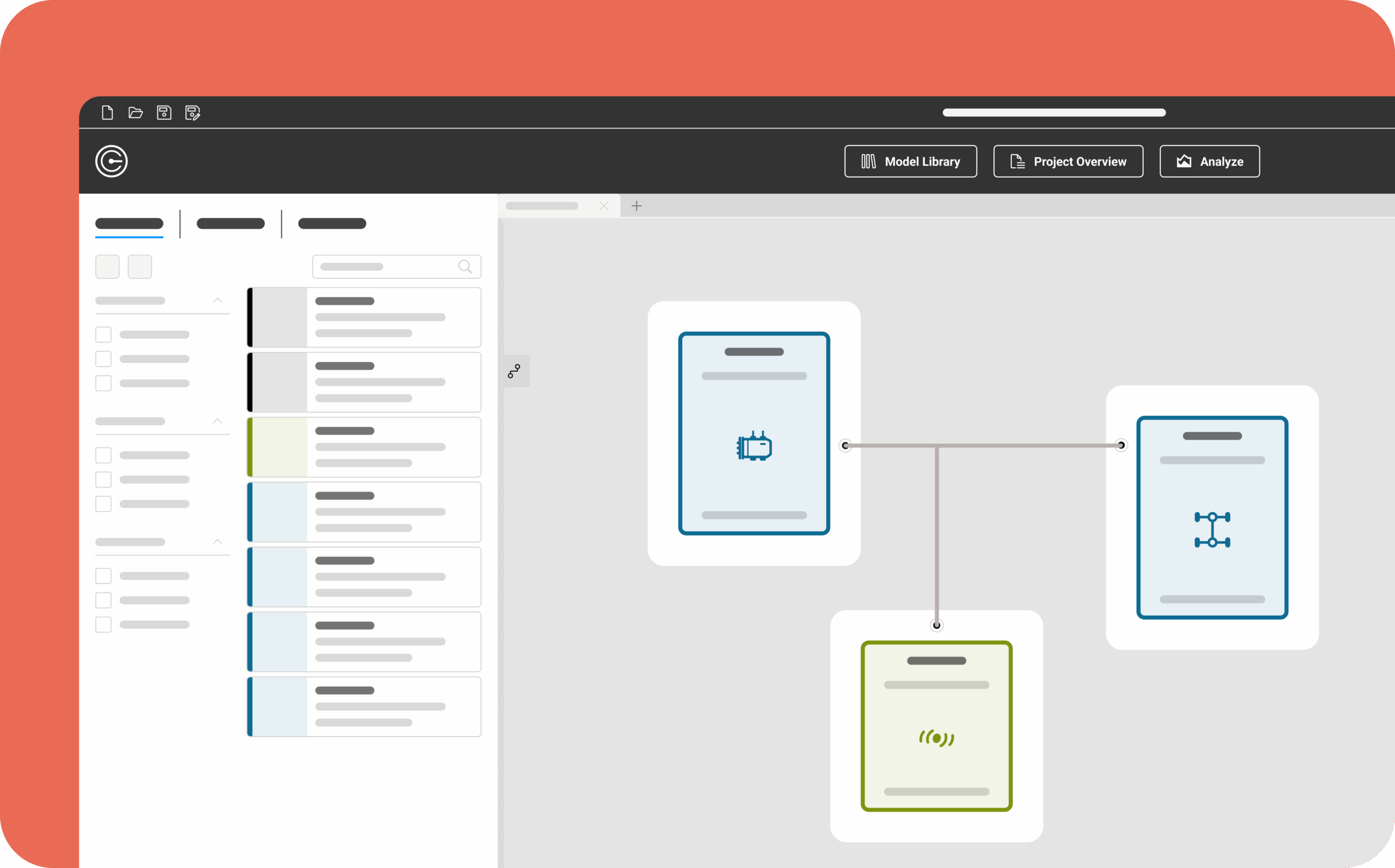
Software for Hybrid Modular Modelling
COUPLE offers a hybrid modular workflow for Dynamic Substructuring, enabling you to easily combine test-based models with simulation models and identified dynamic loads. It also allows structural modification of components and systems to immediately show the results of these changes, letting you assemble, predict, and optimize your NVH design. This avoids late-phase troubleshooting and reduces iterative design cycles, saving time and resources, while providing reliable full-assembly models much earlier in development.
Customer Success Services
Complex sound and vibration measurements should be performed in a fast, traceable, and intuitive way. To support the process of mastering the modular method and working with the software autonomously, you will get dedicated Customer Success services, tailored to every individual’s level of experience, knowledge, and specific needs.
Implementation
Ensuring each solution rollout is efficient, reliable and aligned with your product development goals.
Consultancy
Providing expert advice, to maximize the benefits of the solutions and optimize your product development processes.
Training
Guaranteeing your experts develop the skills needed for the optimal application and use of the solutions.
Support
Ensuring a smooth user experience and lasting satisfaction to best experience the advantages of the solutions.
Projects
Defining, executing and managing timely and high-quality projects, to optimize product design and development.




Proven Success Across Industries
learn about our latest developments & projects
Insights
About VIBES.technology
Hybrid Modular Engineering - Our Vision
Hybrid Modular Engineering (HME) is a philosophy and strategy for product design and development. It combines testing and simulation to design, develop, update, and optimize complex products. At the same time, it focuses on measuring, analyzing, and optimizing components and component systems to support the optimized design and development of the assembled product.
Contact us
Mission & vision
Methodology